Paraphrasing rewrites source material using original words while preserving complete meaning, enabling writers to integrate research, avoid plagiarism, and demonstrate comprehension. Students, researchers, content writers, and professionals use paraphrasing to transform external sources into clear, original content that supports arguments and maintains academic integrity. Effective paraphrasing requires understanding the source meaning deeply, restructuring sentences completely, replacing vocabulary substantially, and maintaining an accurate representation without copying. Manual paraphrasing is time-intensive, while automated tools produce poor outputs that require revision.
CudekAI Paraphrasing Tool delivers intelligent automated paraphrasing through advanced natural language processing, maintaining meaning accuracy while transforming expression comprehensively. The system generates natural-sounding paraphrases within seconds, supporting efficient academic and professional writing workflows. Try the CudekAI Paraphrasing Tool with trial access and experience superior automated paraphrasing.
What Is Paraphrasing and Why Does It Matter?
Paraphrasing represents translating others’ ideas into your own language, preserving meaning while transforming expression. It involves reading source material, understanding core concepts, and rewriting ideas using original sentence structures, vocabulary choices, and expression patterns. Effective paraphrasing demonstrates comprehension beyond surface-level reading, enabling authentic restatement.
Unlike summarizing, which condenses information, or quoting, which reproduces exact words, paraphrasing maintains similar length and detail while transforming the expression. This technique integrates external sources seamlessly into original writing, creating cohesive, unified prose rather than disjointed quoted passages.
Academic writing typically limits direct quotations to 10-15%, allowing paraphrasing and original analysis to dominate content. Overreliance on quotations suggests insufficient understanding or weak integration skills. Effective paraphrasing balances source material with original thinking, creating scholarly work demonstrating mastery rather than compilation.
Why Paraphrasing Matters Academically
Paraphrasing demonstrates comprehension depth, where successful restatement proves understanding beyond memorization or copying. Instructors evaluate paraphrasing quality, assessing whether students genuinely grasp concepts or merely reproduce source language without understanding.
Maintaining a consistent writing voice throughout papers requires paraphrasing, creating a unified style rather than jarring transitions between personal prose and quoted passages. Paraphrased content blends seamlessly, maintaining authorial voice while incorporating external support.
Proper paraphrasing with citation prevents plagiarism accusations, avoiding serious academic consequences. However, poor paraphrasing resembling original expression too closely constitutes plagiarism despite citation inclusion, creating the misconception that citations alone prevent violations. Our expert’s comparison of leading free plagiarism checkers helps writers select reliable verification tools that catch these subtle plagiarism issues before submission.
What are the different paraphrasing types?
Paraphrasing encompasses multiple approaches varying by the extent of transformation and application purpose.
Complete Restructuring
Complete restructuring involves thoroughly transforming original sentences, creating entirely different grammatical structures, word orders, and expression patterns. This comprehensive approach changes sentence beginnings, clause arrangements, voice (active to passive or reverse), and logical organization while maintaining identical meaning.
Complete restructuring proves most effective for academic integrity, preventing plagiarism through sufficient transformation. This approach requires the deepest comprehension, enabling complete reconceptualization rather than surface-level word changes.
Synonym Replacement with Structure Change
Synonym replacement combined with structural modification substitutes vocabulary while altering sentence construction. This balanced approach changes most words through synonyms, replaces phrases with equivalent expressions, and modifies grammatical structures, creating substantially different surface forms.
However, synonym replacement alone without structural change constitutes patchwriting, violating academic integrity standards. Effective paraphrasing requires simultaneous vocabulary and structure transformation, preventing mirror constructions with substituted words.
Condensed Paraphrasing
Condensed paraphrasing streamlines source material, removing unnecessary details while preserving essential meaning. This approach identifies core concepts, eliminates redundancy, and expresses ideas more efficiently, creating concise restatements.
Condensation differs from summarization, maintaining a similar detail level while improving clarity and concision. This technique suits verbose sources requiring streamlined expression without information loss.
How Do You Paraphrase Effectively Step-by-Step?
A systematic paraphrasing process ensures thorough transformation, avoiding plagiarism while maintaining accuracy.
Step 1: Read and Understand Completely
Read source passages multiple times, ensuring complete comprehension before attempting paraphrasing. Look up unfamiliar terminology, identify core arguments, understand supporting evidence, and grasp relationships between ideas. Superficial understanding produces inadequate paraphrasing, copying surface structure without genuine comprehension.
Ask yourself, explaining concepts to others and testing whether understanding enables independent articulation. Inability to explain ideas independently indicates insufficient comprehension, requiring additional reading before paraphrasing attempts.
Step 2: Note Key Concepts Without Copying
Hide the original text, writing brief notes capturing essential meaning without replicating language. Use keywords, bullet points, concept maps, or freeform brainstorming to record understanding rather than memorizing wording. This separation prevents unconscious copying, creating an authentic reformulation foundation.
Notes should capture what the source means, not what it says, emphasizing conceptual understanding over linguistic reproduction. Rough, informal notes facilitate original expression during writing, preventing source language infiltration.
Step 3: Write in Your Own Words
Write a paraphrase from notes without consulting the original text, ensuring authentic expression rather than modified copying. Use natural vocabulary, personal sentence structures, and an individual writing style, transforming ideas into original prose.
Focus on meaningful communication rather than matching original sophistication. Your paraphrase need not equal source eloquence, provided it accurately conveys meaning through clear grammatical expression. Sometimes, paraphrases improve upon originals through enhanced clarity or accessibility.
Step 4: Compare and Verify Accuracy
Compare the paraphrase against the original, verifying meaning preservation and sufficient transformation. Check that essential information transfers accurately, core arguments remain intact, supporting details appear correctly, and relationships between ideas maintain accuracy.
Simultaneously verify transformation sufficiency, ensuring the paraphrase differs substantially in vocabulary, sentence structure, organization, and expression. Excessive similarity despite meaning accuracy constitutes plagiarism, requiring additional revision.
Step 5: Add Proper Citation
Include an appropriate citation crediting the source despite complete paraphrasing. Citations acknowledge intellectual debt even when expression transforms entirely. Paraphrasing never eliminates citation requirements, contrary to the common misconception.
Use a citation style appropriate for the discipline (APA, MLA, Chicago, or Harvard), ensuring proper attribution. Citations appear even when paraphrasing transforms 100% of the language because ideas themselves require credit regardless of expression changes.
What Common Paraphrasing Mistakes Should You Avoid?
Understanding frequent paraphrasing errors prevents plagiarism and improves integration quality.

Patchwriting Through Minimal Change
Patchwriting involves copying source structure while substituting occasional synonyms, creating superficially different but substantially plagiarized content. This inadequate transformation maintains the original sentence framework, clause arrangements, and logical organization while swapping vocabulary.
Academic institutions recognize patchwriting as plagiarism despite word changes because structural copying demonstrates insufficient comprehension and transformation. Effective paraphrasing requires complete reconstruction rather than cosmetic modification. Students writing essays should also review our guide on how to avoid plagiarism in an essay, which addresses essay-specific duplication risks beyond standard paraphrasing concerns.
Over-Reliance on Thesaurus
Mechanical synonym substitution without comprehension produces nonsensical, awkward paraphrasing, distorting meaning through inappropriate word choices. Basic paraphrasing tools employing simple thesaurus replacement generate unnatural outputs requiring extensive manual correction.
Synonyms carry different connotations, usage contexts, and appropriateness levels requiring understanding for proper selection. Automated substitution without judgment produces technically different but semantically flawed paraphrasing.
Changing Too Little
Insufficient transformation through minor vocabulary changes while maintaining the original structure constitutes plagiarism despite paraphrasing intentions. Many students underestimate the transformation extent required for academic integrity, producing inadequate paraphrasing, triggering plagiarism detection.
Effective paraphrasing requires 70-80% vocabulary change plus complete structural reconstruction. Lesser transformation risks plagiarism accusations regardless of citation inclusion or good intentions.
Losing Original Meaning
Excessive transformation sometimes distorts intended meaning, creating inaccurate paraphrasing and misrepresenting sources. Aggressive restructuring or inappropriate synonym selection occasionally alters concepts, relationships, or emphasis, producing misleading restatements.
Accuracy remains paramount, requiring meaning preservation throughout transformation. Verify paraphrases maintain source intent, preserve nuanced arguments, and accurately represent original claims, avoiding distortion through transformation.
Forgetting Citations
Paraphrasing without citation constitutes plagiarism, despite complete expression transformation. A common misconception suggests paraphrasing eliminates citation necessity when, actually, citations remain mandatory regardless of wording changes.
Every paraphrased idea requires a citation crediting the source. Only truly common knowledge or personal original ideas avoid citation requirements. When uncertain whether information requires citation, include attribution to prevent plagiarism.
How Can You Verify Paraphrasing Quality?
Quality verification ensures transformation sufficiency and meaning accuracy before submission.
Use Plagiarism Detection Tools
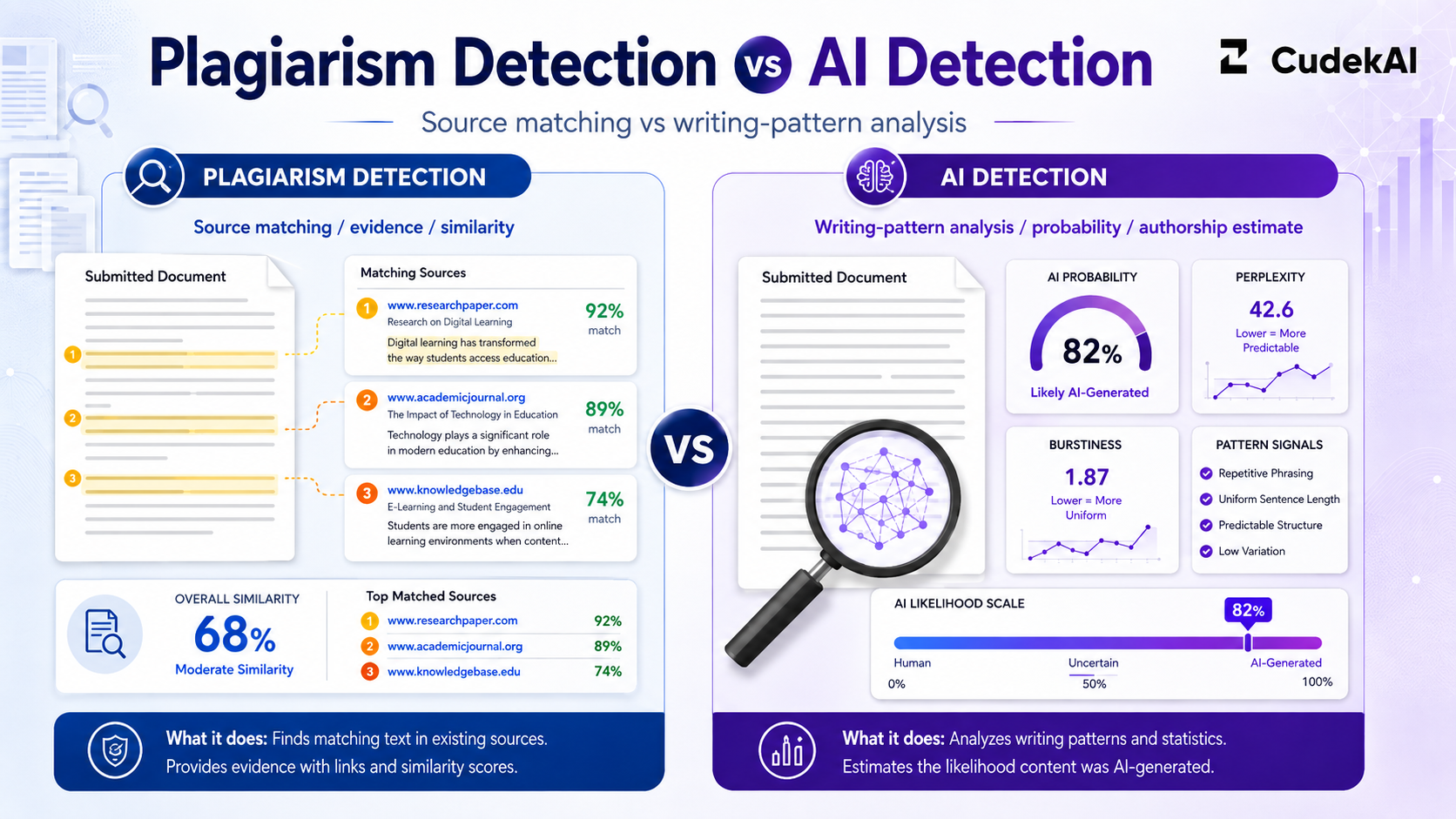
Submit paraphrases through plagiarism checkers, verifying transformation sufficiency. High similarity scores indicate insufficient paraphrasing requiring additional revision. Effective paraphrasing produces minimal similarity percentages, demonstrating adequate transformation.
Multiple plagiarism checker testing strengthens confidence using various detection algorithms. Consistent low similarity across platforms validates transformation adequacy.
Read Aloud for Natural Flow
Reading paraphrases aloud reveals awkward phrasing, unnatural constructions, or obvious copying. Natural-sounding paraphrases integrate seamlessly, while copied structures sound stilted or disconnected from the surrounding original prose.
Smooth integration indicates successful paraphrasing, maintaining a cohesive voice throughout writing. Jarring transitions or style shifts suggest inadequate transformation or poor integration.
Compare Side-by-Side
Place the original and paraphrase side-by-side, examining the extent of the transformation. Effective paraphrasing shows dramatic vocabulary differences, completely altered sentence structures, different information organization, and varied expression patterns.
Excessive similarity in any dimension requires additional revision. Paraphrases should appear substantially different while maintaining identical meaning, creating an obvious transformation visible through comparison.
Seek Peer Review
Request peers or writing center consultants to review paraphrasing quality, providing an objective assessment. Others identify insufficient transformation, meaning distortions, or integration problems writers overlook through familiarity.
External review validates transformation adequacy and accuracy before submission, preventing plagiarism issues or misrepresentation concerns.
When Should You Paraphrase Versus Quotes?
Strategic decisions between paraphrasing and quoting optimize source integration and argument development.
Paraphrase When Ideas Matter More
Paraphrase when concepts, data, or arguments prove important while specific wording lacks significance. Most academic sources communicate ideas through competent but unremarkable language, making paraphrasing preferable, demonstrating comprehension while maintaining voice.
Factual information, research findings, theoretical explanations, and general arguments typically warrant paraphrasing rather than quoting. Readers care about information content rather than original expression, making transformation appropriate.
Quote When Wording Proves Essential
Direct quotation suits situations where the original language itself holds significance, including powerful, eloquent expression, precise technical definitions, controversial claims requiring exact reproduction, or famous historical statements where wording matters.
Quote sparingly, reserving direct quotation for truly exceptional language worthy of reproduction. Excessive quoting suggests comprehension weakness or integration inability, diminishing academic writing quality.
Combine Paraphrasing with Selective Quoting
Effective integration often combines paraphrasing with brief quotations, incorporating key phrases within a paraphrased context. This balanced approach maintains voice while preserving memorable or essential original language, creating optimal integration.
Introduce paraphrased information, then incorporate brief quoted phrases highlighting particularly significant language. This combination demonstrates comprehension while acknowledging exceptional expression.
How Does the CudekAI Paraphrasing Tool Deliver Superior Results?
CudekAI Paraphrasing Tool eliminates common limitations plaguing basic paraphrasing tools and manual processes through advanced AI technology.
Advanced Natural Language Processing
CudekAI employs sophisticated NLP algorithms to understand context, meaning, and semantic relationships rather than simple word-for-word substitution. Machine learning models trained on millions of text samples recognize natural language patterns, generating contextually appropriate paraphrases and maintaining meaning accuracy.
Unlike basic tools producing nonsensical outputs through mechanical thesaurus replacement, CudekAI analyzes sentence structure, grammatical relationships, and contextual nuances, creating natural-sounding paraphrases. Advanced algorithms select appropriate synonyms based on context rather than dictionary definitions, ensuring semantic accuracy.
Intelligent Sentence Restructuring
CudekAI automatically restructures sentences, creating substantially different grammatical constructions, clause arrangements, and expression patterns. Automated restructuring changes sentence beginnings, varies clause order, modifies voice, and alters logical organization, preventing structural plagiarism. organization,
Complete structural transformation combined with vocabulary replacement produces paraphrases meeting 70-80% transformation thresholds required for academic integrity. Intelligent algorithms ensure restructuring maintains logical coherence and natural flow rather than producing awkward constructions.
Meaning Preservation Technology
Proprietary algorithms prioritize meaning accuracy throughout transformation, ensuring paraphrases accurately represent source intent, factual content, and conceptual relationships. Semantic verification prevents meaning distortion common in inferior tools relying on mechanical substitution.
CudekAI validates output accuracy against source meaning, rejecting transformations introducing factual errors, distorting relationships, or misrepresenting arguments. This quality control ensures reliable paraphrasing suitable for academic and professional contexts requiring precision.
Multiple Paraphrasing Modes
CudekAI offers various paraphrasing modes accommodating different requirements, including standard paraphrasing (maintaining similar length), condensed paraphrasing (streamlining verbose sources), expanded paraphrasing (adding clarity and detail), and creative paraphrasing (maximizing transformation).
Mode flexibility enables users to select appropriate transformation levels for specific contexts. Academic writing benefits from standard or expanded modes, ensuring comprehensive meaning transfer, while content repurposing employs creative modes, maximizing differentiation.
Processing Speed Within Seconds
CudekAI processes paraphrasing requests within seconds, enabling efficient workflows for students managing deadlines, professionals requiring quick content adaptation, and researchers integrating multiple sources. Fast processing supports iterative refinement, testing multiple paraphrasing approaches, and identifying optimal results.
Instant transformation eliminates hours spent on manual paraphrasing, freeing time for higher-value activities, including analysis, synthesis, and original thinking. Speed advantages prove particularly valuable when paraphrasing extensive source materials or managing multiple assignments simultaneously.
Plagiarism-Resistant Output
CudekAI generates paraphrases specifically designed to pass plagiarism detection systems through sufficient transformation. Output undergoes internal similarity checking, ensuring transformation meets academic integrity standards before delivery.
Paraphrases demonstrate low similarity percentages when checked against original sources, validating transformation adequacy. This plagiarism resistance provides confidence in submitting work without integrity concerns.
Trial Access for Evaluation
CudekAI provides trial access, enabling users to evaluate paraphrasing quality, accuracy, naturalness, and transformation sufficiency before subscription commitment. Trial availability supports informed decision-making, assessing whether automated paraphrasing meets specific academic or professional requirements.
Professional-grade paraphrasing accessible through flexible plans accommodates individual students, educators, content creators, and organizations. Start the CudekAI trial, experiencing superior automated paraphrasing, eliminating manual rewriting time while maintaining quality and accuracy.
What Role Does Citation Play in Paraphrasing?
Proper citation remains essential regardless of the thoroughness.

Citations Acknowledge Intellectual Debt
Paraphrasing changes expression, not ownership of ideas. Original authors deserve credit for concepts, research, theories, and findings regardless of wording transformation. Citations fulfill an ethical obligation, acknowledging intellectual contributions and enabling readers to trace ideas to sources.
Comprehensive paraphrasing, transforming every word, never eliminates citation requirements. Ideas themselves require attribution independent of expression changes.
Citation Formats and Placement
Different citation styles (APA, MLA, Chicago, Harvard) specify varying formats and placement conventions. APA emphasizes author-date citations appearing parenthetically, MLA uses author-page citations, Chicago employs footnotes or endnotes, and Harvard parallels APA with variations.
Consult appropriate style guides, ensuring correct citation format for disciplines. Instructors specify required styles, expecting accurate adherence throughout papers.
In-Text Citations with Paraphrasing
Paraphrased material requires in-text citations immediately following the paraphrased content. Citations typically include author names and publication years (APA/Harvard) or author names and page numbers (MLA), depending on the style.
Multiple consecutive paraphrased sentences from identical sources may share a single citation at the passage end when it is clear that all information derives from the same source. However, separate citations after each sentence prevent attribution ambiguity.
How Do Manual and Automated Paraphrasing Compare?
Understanding comparative advantages and limitations guides appropriate tool selection for different paraphrasing contexts.
Manual Paraphrasing Advantages
Manual paraphrasing ensures complete comprehension, requiring deep understanding and facilitating genuine learning. Personal engagement with sources develops critical thinking, analytical skills, and subject mastery impossible through automated processes.
Manual control enables subtle nuance preservation, stylistic preferences application, and contextual judgment that automated systems struggle to replicate. Experienced writers craft paraphrases reflecting personal voice while maintaining source accuracy.
Manual Paraphrasing Limitations
Manual paraphrasing proves extremely time-intensive, requiring hours for comprehensive source integration. Time constraints force students to choose between thorough paraphrasing and assignment completion, creating pressure and encouraging inadequate transformation.
Consistency challenges arise when manually paraphrasing extensive sources where fatigue, distraction, or comprehension lapses introduce errors. Quality varies based on individual skill levels, subject familiarity, and concentration.
Automated Paraphrasing Advantages
Automated tools provide instant transformation, completing paraphrasing within seconds versus hours for manual processes. Speed enables comprehensive source integration without time-constraint compromises.
Consistency remains stable regardless of volume, fatigue, or time pressure. Automated paraphrasing maintains quality standards across entire projects, preventing degradation through exhaustion.
Superior tools like CudekAI eliminate nonsensical outputs plaguing basic paraphrasing tools through advanced NLP, ensuring natural, accurate results. Quality automated paraphrasing matches or exceeds average manual efforts, particularly for straightforward academic sources.
Automated Paraphrasing Limitations
Automated AI Paraphrasing tools require human verification, ensuring meaning accuracy and contextual appropriateness. Users remain responsible for output quality, citation inclusion, and comprehension verification.
Highly technical, specialized content or nuanced arguments may challenge automated systems requiring manual refinement. Complex sources benefit from automated initial paraphrasing followed by expert review, ensuring precision.
Optimal Hybrid Approach
Effective paraphrasing often combines automated assistance with human oversight. Use CudekAI to generate initial paraphrases, then review outputs, verifying accuracy, refining awkward constructions, and adding citations. This hybrid approach maximizes efficiency while maintaining quality control.
Automated paraphrasing handles mechanical transformation, freeing mental resources for comprehension, analysis, and integration planning. Human verification ensures academic integrity and meaning accuracy, creating an optimal balance between efficiency and quality.
How Do Paraphrasing Tools Work?
Automated paraphrasing tools employ algorithms transforming text through synonym replacement and structural modification.
Basic Tool Functionality
Traditional paraphrasing tools identify words or phrases and replace them with synonyms through thesaurus databases. These systems analyze sentence structure, suggesting reordering or grammatical modifications. Basic tools provide quick transformations requiring human review, ensuring accuracy and natural expression.
Simple automated paraphrasing often produces awkward, unnatural results requiring substantial manual editing. These tools assist rather than replace human judgment and comprehension.
AI-Powered Paraphrasing
Advanced AI paraphrasing tools, including CudekAI, employ machine learning to understand context, meaning, and natural language patterns. These sophisticated systems generate natural-sounding paraphrases, maintaining meaning while transforming expression comprehensively.
AI-powered tools analyze semantic relationships, contextual appropriateness, and grammatical correctness, producing higher-quality outputs than basic synonym substitution. However, even advanced tools require human verification, ensuring accuracy and appropriateness.
Tool Limitations and Requirements
No paraphrasing tool eliminates human responsibility for comprehension, accuracy verification, and citation inclusion. Automated outputs require critical review, checking meaning preservation, expression naturalness, and transformation sufficiency.
Ethical tool use involves employing assistance for suggestions while maintaining personal understanding and responsibility. Tools supplement rather than replace paraphrasing skills, requiring users to understand source material and verify output quality.
Final Thoughts
Effective paraphrasing requires understanding source material deeply, restructuring sentences completely, replacing vocabulary substantially, and maintaining accurate meaning representation while transforming expression entirely. Poor paraphrasing through minimal change, patchwriting, or mechanical synonym substitution constitutes plagiarism despite citation inclusion, creating serious academic consequences.
The systematic paraphrasing process involves reading comprehensively, noting concepts without copying, writing in original words, comparing for accuracy and sufficiency, and adding proper citations. Avoiding common mistakes, including patchwriting, thesaurus over-reliance, insufficient transformation, meaning distortion, and citation omission, ensures academic integrity and quality integration.
Strategic decisions between paraphrasing and quoting optimize source integration, where paraphrasing suits most academic purposes while quotations preserve essential language. Paraphrasing tools provide assistance requiring human comprehension, verification, and responsibility for accuracy and citation.
Citations remain mandatory regardless of paraphrasing, thoroughly acknowledging intellectual debt for ideas independent of expression transformation. Proper citation formats and placement conventions vary by discipline, requiring style guide consultation to ensure accuracy. Mastering paraphrasing develops essential academic and professional writing skills, enabling effective source integration, plagiarism prevention, and demonstration of comprehension supporting scholarly success. Start CudekAI Paraphrasing Tool trial, experiencing superior automated paraphrasing, transforming academic and professional writing workflows.